
“An expander might widen your upper jaw without surgery” sounds like an answer—until you ask what needs widening. Is the upper jawbone too narrow, are the upper teeth positioned too far inward, or is it some of both? That distinction matters more than the appeal of any particular appliance.
MARPE stands for miniscrew-assisted rapid palatal expansion. It uses an upper-jaw expander supported by small temporary screws in the palate to try to widen the jawbone, rather than relying only on pressure against teeth. An orthodontist may consider it for some adults with a skeletal width problem. But your age, a narrow-looking smile, or a scan alone cannot establish whether it fits your case—or promise that you can avoid surgery.
Is the jaw narrow, or are the teeth tipped inward?
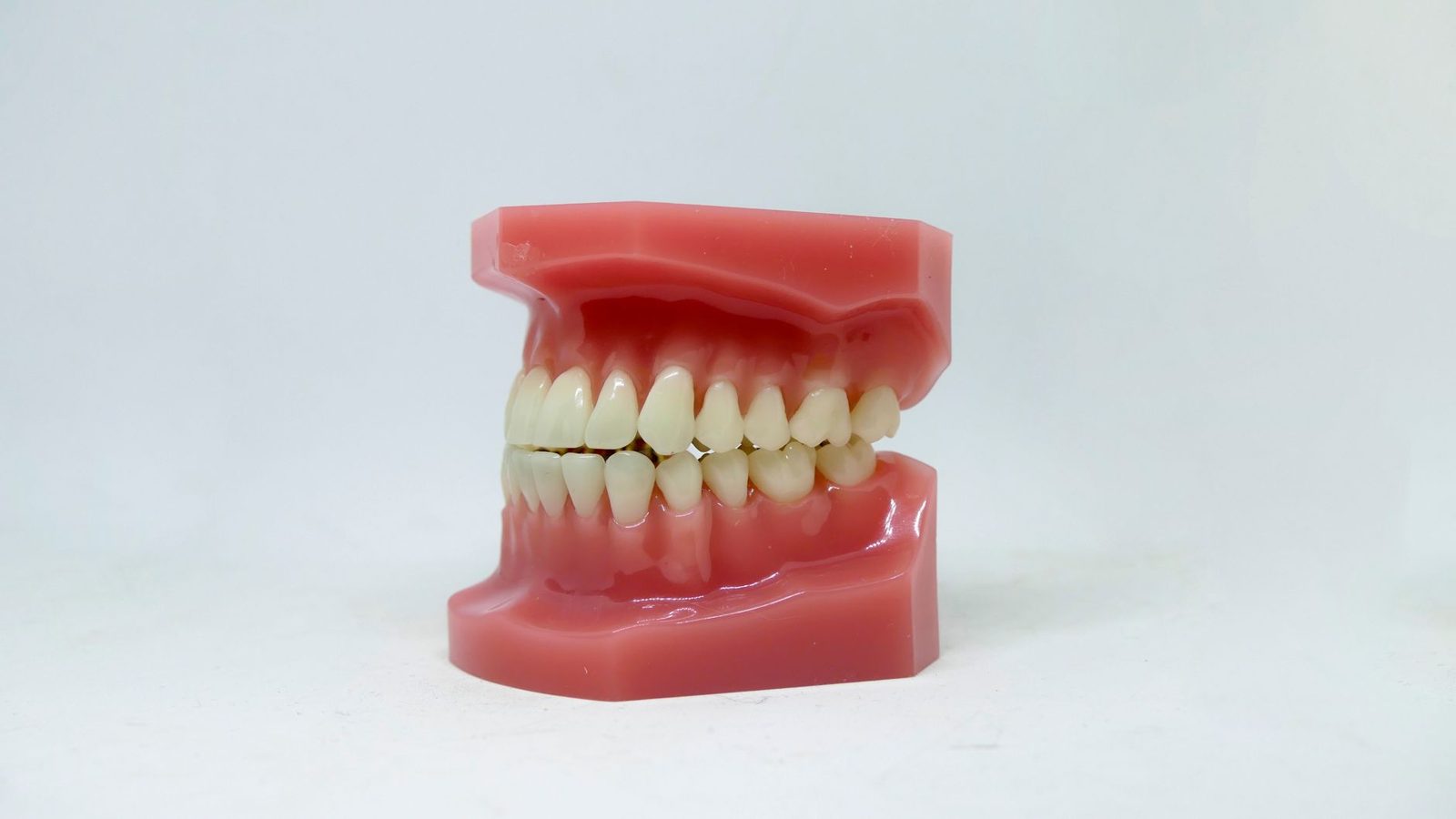
Imagine the upper back teeth closing inside the lower back teeth on one side. That can signal a width mismatch, but it does not, by itself, tell us where the mismatch originates. The upper jawbone may be too narrow, the upper teeth may lean inward, or both may contribute. Even a crowded smile does not settle that question.
Skeletal expansion aims to change the width of the upper jawbone. Dental movement changes where the teeth sit within their supporting bone; if teeth tip outward, the smile may look wider without an equivalent change in jawbone width. Those are not interchangeable results. We want the proposed change to match both your bite and the support around your teeth—not just make the arch look wider in a photo.
What would an orthodontist need to find?
First comes the treatment goal: which teeth do not meet as intended, and how much of that problem appears to come from jaw width rather than tooth position? An orthodontist examines how the upper and lower arches fit together, including any crossbite, crowding, or asymmetry. They also consider gum health and the bone supporting the teeth, because moving teeth outward without enough support can create problems rather than solve them.
The palate and surrounding anatomy matter for an appliance supported by miniscrews. Clinical examination, photos, models or digital scans, and other records help build the picture; additional imaging may be warranted when it would answer a planning question. None of those records should be treated as a stand-alone eligibility test. Specialist orthodontic planning means connecting the findings to a specific goal and weighing the limits of each possible approach.
At Textbook Orthodontics, we would use Dr. Nourian’s individualized orthodontic assessment to help you understand what your bite findings show and what questions a treatment plan needs to answer. That assessment is not a claim that our practice provides MARPE; it is a way to avoid choosing an appliance before understanding the problem.
What does treatment ask of you?
Placement and prescribed adjustments
If MARPE is recommended and you proceed with a clinician who offers it, the expander is fitted in the upper mouth and supported by temporary miniscrews placed in the palate. Your treating team explains how and when to adjust it. The prescribed turns are part of a monitored plan, not a target to increase on your own if progress seems slow. Pressure, soreness, and changes in speech or eating can occur; tell your clinician about pain that feels unusual or persists.
Cleaning and check-ins
Food and plaque can collect around the appliance and screws, so daily cleaning takes attention. Follow-up visits allow the treating orthodontist to examine your oral tissues, check the appliance and screw sites, and compare your response with the intended change. If something feels loose, cleaning becomes difficult, or the gums become irritated, contact the treating team rather than waiting for the next routine visit.
Holding the change and finishing the bite
Expansion is not necessarily the end of orthodontic treatment. A clinician may need to hold the achieved width while the tissues adapt, then address tooth position and how the bite fits together with further orthodontic care. If braces or aligners are part of that later phase, the choice follows the exam and overall goal—not a blanket rule for everyone who has had an expander. The braces-or-aligners decision after an orthodontic exam is a separate question from whether jawbone expansion is needed.
How would we know whether expansion is working?
A turn of the adjustment key shows that the appliance has been activated; it does not prove the jawbone has widened enough. A gap between the front teeth can be a visible change during expansion, but it cannot tell you, on its own, how much of the change is skeletal or whether the planned bite correction has been achieved.
Follow-ups compare the upper and lower arches, tooth positions, and bite with the original goal. The treating orthodontist also checks the gums and supporting tissues, as well as the stability of the appliance and miniscrews. Records or imaging may help clarify the response when clinically warranted. What matters is whether the intended change is happening safely—not simply whether something has moved.
What if the result falls short?
An inadequate skeletal response, unexpected tooth tipping, tissue irritation, or an unstable appliance calls for reassessment—not automatically more turns. The orthodontist needs to revisit the original width goal, examine what has changed in the jaw and teeth, and decide whether continuing makes sense.
Depending on those findings, the next discussion might involve revising the orthodontic plan, addressing an appliance or oral-health concern, or considering a consultation about jaw surgery when the skeletal discrepancy cannot reasonably be managed as planned. Neither successful nonsurgical expansion nor surgery is inevitable. A realistic plan includes how the team will recognize when its first approach needs to change.
Can MARPE treat snoring or sleep apnea?
MARPE may be discussed in the context of jaw width, but it is not a guaranteed treatment for snoring or sleep apnea. If you snore regularly, have witnessed pauses in breathing, or feel unusually sleepy during the day, seek medical evaluation for those symptoms. An orthodontic bite assessment can address a separate question: whether your jaw and teeth have a width problem that warrants orthodontic treatment.
If you are considering an expander, bring your concerns and any existing records to an individualized assessment with Dr. Nourian. We can help you ask what is causing the width concern, what change a proposed plan intends to achieve, and how that change would be verified before you commit to treatment.