
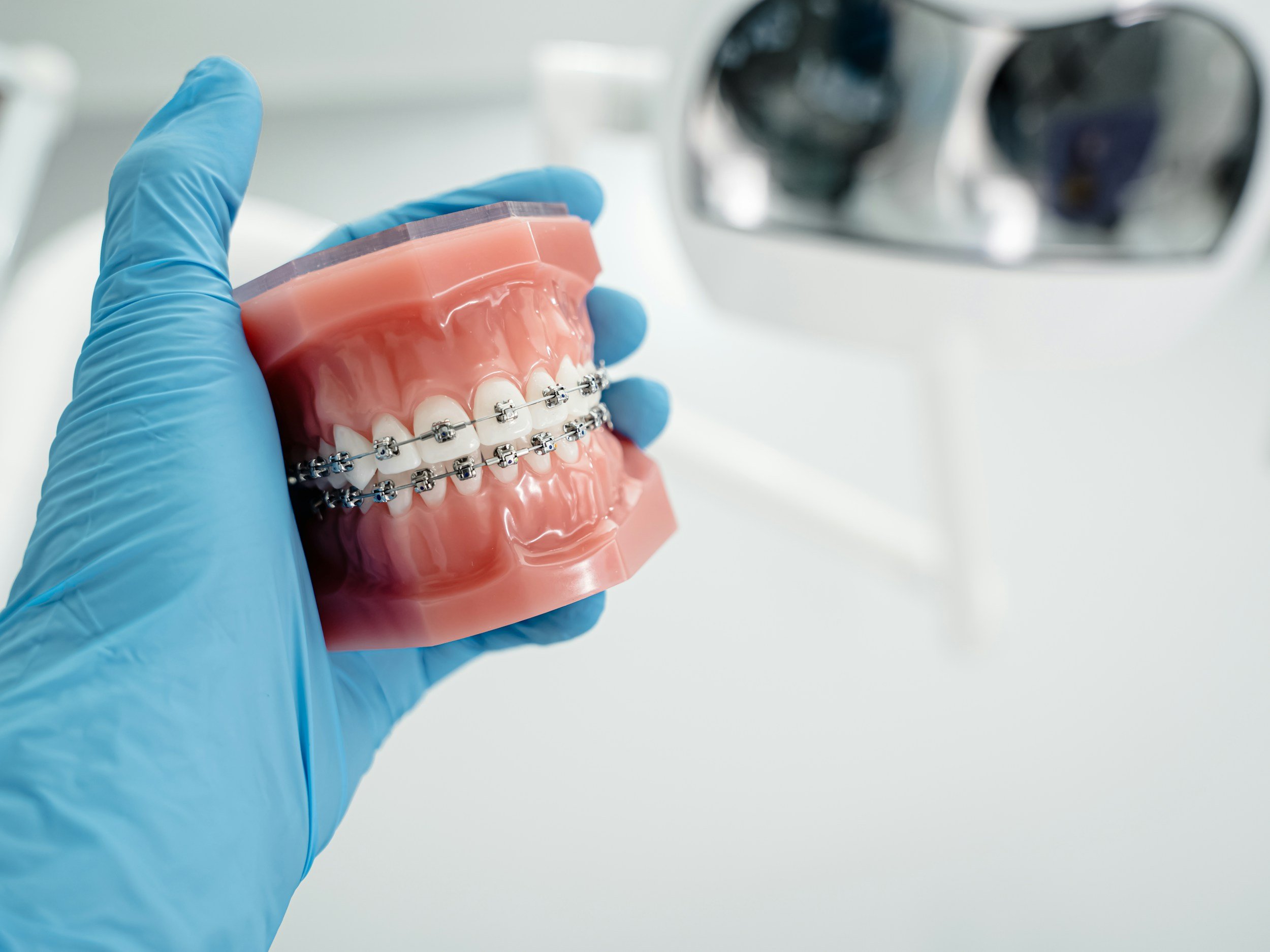
Adult Braces In Los Angeles, CA
What Are Adult Braces?
Braces aren’t just for kids—many adults are now seeking orthodontic treatment to improve their smiles and oral health. Adult braces are orthodontic appliances designed to address issues such as crooked teeth, overbites, underbites, jaw misalignment, and TMJ disorders in mature patients. By applying consistent, gentle pressure, braces gradually move the teeth and jaws into better alignment. Whether for cosmetic enhancement or functional improvement, adult braces offer a proven solution for achieving a healthier, more confident smile at any age.
Why Orthodontic Treatment Matters for Adults
Orthodontic care isn’t limited to kids and teens—adults now make up nearly one in five orthodontic patients. Pursuing treatment later in life can offer substantial benefits, from correcting long-standing dental issues to enhancing both oral health and overall well-being. This guide explores the value of adult orthodontics and how it can lead to lasting improvements in function, appearance, and confidence.
-

Better Oral Health
-

Boosted Self-Confidence
-
Reduced Risk of Future Dental Problems
Overcoming the Stigma of Adult Braces
Orthodontic treatment is no longer just for teenagers—an increasing number of adults are choosing to enhance their smiles and oral health through braces or clear aligners. Despite this trend, many adults still hesitate due to lingering social stigmas surrounding adult orthodontics.
These stigmas often arise from outdated beliefs that braces are only appropriate for children or teens. Adults may worry about how they’ll be perceived in social or professional settings. But in reality, there's nothing unusual—or embarrassing—about prioritizing your health and confidence at any age.
Today, adult orthodontics is widely accepted and more accessible than ever. Advancements in discreet treatment options, like clear aligners and ceramic braces, have helped shift public perception. Taking the step toward a healthier smile is a personal choice—one that reflects self-care and commitment to well-being.
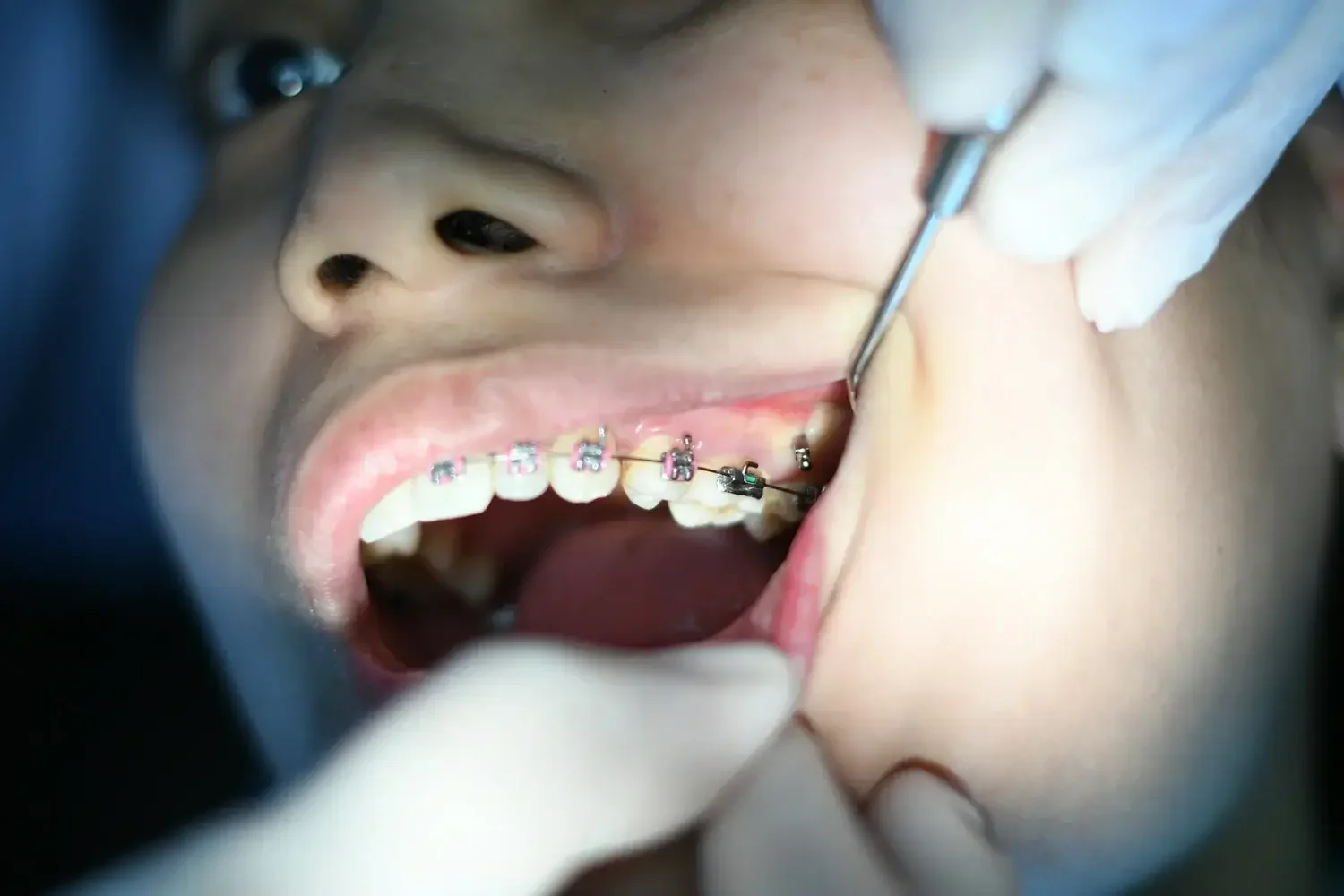
Key Benefits of Adult Orthodontic Treatment
Improved Oral Health
Correcting crowding, gaps, and misalignment makes it easier to maintain proper hygiene, reducing the risk of tooth decay and gum disease.
Enhanced Confidence
A straighter smile can boost your self-esteem and positively impact both your personal and professional interactions.
Long-Term Prevention
Addressing bite issues and misalignment early can help prevent jaw pain, enamel wear, and chewing difficulties later in life.
Embrace the opportunity to invest in your smile—because confidence and oral health have no age limit.
Understanding Orthodontic Treatment
Orthodontic treatment is a specialized area of dentistry focused on correcting misaligned teeth and jaws. When teeth are crooked or bite issues are present, it can be difficult to maintain proper oral hygiene—raising the risk of tooth decay, gum disease, and even premature tooth loss. Misalignment can also place strain on the jaw and surrounding muscles, potentially leading to headaches, TMJ disorders, and discomfort in the neck, shoulders, and back. Proper orthodontic care not only improves the appearance of your smile but also promotes better long-term oral and overall health.
Adult Braces Options
Today’s orthodontic options for adults are more advanced and versatile than ever. Traditional metal braces remain a reliable choice, using metal brackets and wires to guide teeth into alignment. For a more subtle look, ceramic braces offer similar function with tooth-colored materials that blend in naturally. Lingual braces, which are attached to the back of the teeth, provide a completely hidden treatment. Clear aligners like Invisalign offer a removable, nearly invisible alternative—ideal for those seeking convenience and discretion. With these diverse options, adults can choose a treatment that fits both their lifestyle and aesthetic goals.
-
Traditional Metal Braces
WhaTraditional metal braces remain a trusted and widely used option in orthodontics. Known for their reliability and cost-effectiveness, they offer precise control over tooth movement, making them ideal for treating a wide range of dental issues—even with the rise of newer alternatives.
-
Ceramic Braces
Ceramic braces offer an effective and discreet orthodontic treatment option. Like traditional braces, they use brackets and wires to move teeth, but their clear or tooth-colored brackets blend in with the teeth, making them a more visually appealing choice for patients seeking subtlety.
-
Clear Plastic Braces (Clear Aligners)
Clear plastic braces, also known as clear aligners or invisible braces, offer a discreet and convenient alternative to metal braces. These custom-made, removable trays gradually move teeth into alignment with minimal visibility. They’re popular for their comfort, aesthetics, and ease of maintenance.
-
Lingual Braces
Lingual braces are a discreet orthodontic option that work like traditional braces but are attached to the back of the teeth, keeping them hidden from view. They offer an effective way to straighten teeth without visible hardware. This treatment is ideal for those seeking a more subtle approach to orthodontic care.
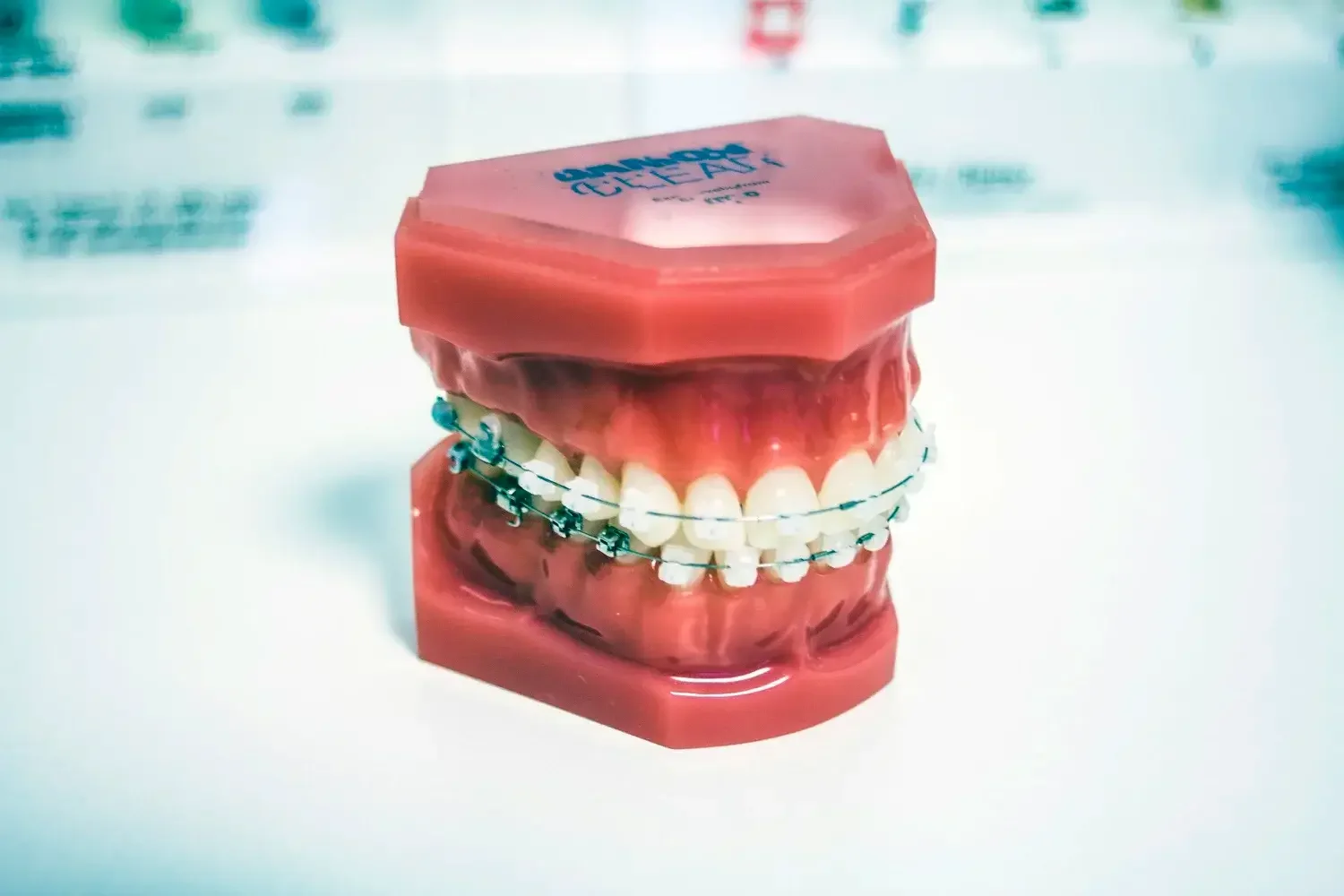
Benefits of Adult Braces
Adult braces offer more than just a straighter smile—they contribute significantly to improved oral health and overall well-being. Properly aligned teeth are easier to clean, reducing the risk of cavities and gum disease. Braces can also correct bite problems, easing jaw pain and preventing wear on teeth. Beyond health, they enhance self-confidence and appearance, often leading to greater personal and professional satisfaction.
Misaligned teeth (malocclusion) can cause oral hygiene challenges, tooth decay, and gum disease. Common causes include genetics, thumb-sucking, early tooth loss, or injury. Today’s orthodontic treatments—from clear aligners to braces—offer effective solutions to align teeth and support long-term dental health.
Ways to Straighten Misaligned Teeth
There are multiple options for correcting misaligned teeth, and the best choice depends on factors like the complexity of the case, the patient’s age, and their lifestyle preferences. Here are some of the most widely used methods:
Braces
Braces are a widely used and effective method for correcting misaligned teeth. They involve brackets affixed to the teeth, connected by wires and small bands, which apply continuous pressure to gradually shift the teeth into proper alignment. Suitable for both adults and children, braces are especially effective for treating moderate to severe alignment issues.
Invisalign
Invisalign offers a modern, discreet alternative to traditional braces. This system uses a series of custom-made, clear aligners that gently move teeth into alignment over time. The aligners are virtually invisible and can be removed for meals and oral hygiene, making them a convenient option. While ideal for mild to moderate alignment issues, Invisalign may not be recommended for more complex cases.
Retainers
Retainers are custom-made devices used after orthodontic treatment to keep teeth in their newly aligned position. They may also be used to address minor alignment issues. Available in both removable and fixed forms, retainers play a crucial role in preserving long-term results.
Veneers
Veneers are thin, custom-made shells crafted from porcelain or composite resin that are bonded to the front surfaces of teeth. While they can enhance the appearance of slightly misaligned or uneven teeth, veneers are primarily a cosmetic solution. They do not address the underlying causes of misalignment or bite problems and require permanent alteration of the natural tooth structure.

Improving Smile Aesthetics
A confident, attractive smile can have a powerful impact on your overall appearance and self-esteem. Thanks to advances in dental technology, there are now a variety of effective treatments to enhance smile aesthetics. This overview explores the key elements and modern techniques used to improve the beauty of your smile.
Why Smile Aesthetics Matter
A well-balanced smile does more than enhance appearance—it can positively influence your social interactions and self-image. On the other hand, noticeable dental imperfections may affect confidence and emotional well-being. Enhancing your smile can lead to better personal and professional experiences, making it about more than just looks.
A great smile is more than just bright teeth. It involves harmony between the teeth, gums, lips, and facial structure. Understanding these components helps create a personalized approach to aesthetic improvements.
Enhancing your smile is a combination of artistry and clinical expertise. By addressing color, shape, alignment, and gum health, you can achieve a more radiant and confident look tailored to your goals.
Tooth Color
Tooth discoloration can result from aging, staining foods and drinks, smoking, or medications. Teeth whitening treatments are a popular solution to restore brightness and enhance your smile.
Tooth Shape and Size
Teeth that are worn, chipped, uneven, or poorly shaped can affect smile symmetry. Options like dental bonding, crowns, and veneers can reshape and resize teeth for a more polished appearance.
Tooth Alignment
Crooked or crowded teeth can detract from smile aesthetics. Orthodontic options such as clear aligners or braces can correct alignment for a straighter, more balanced smile.
Gum Appearance and Health
Healthy, well-contoured gums support an attractive smile. Gum disease or uneven gum lines can be corrected with treatments like scaling, root planing, or gum contouring. Routine dental care is essential to maintaining gum health.
Professional Treatments to Enhance Your Smile
A range of dental procedures can dramatically improve the appearance of your smile. Depending on your unique needs and goals, your dentist may recommend one or more of the following treatments:
Teeth Whitening: A quick and effective way to brighten your smile by removing stains and discoloration, restoring a more youthful look.
Veneers: Thin, custom-made porcelain shells that cover the front surface of teeth to refine their shape, size, and color for a more uniform appearance.
Orthodontic Treatment: Braces or clear aligners can straighten teeth, correct bite issues, and create a more balanced and symmetrical smile.
Gum Contouring: This cosmetic procedure reshapes the gum line to improve the proportion between your teeth and gums, especially in cases of excessive gum display.
Choosing the right treatment is a personalized process based on your dental health, facial structure, and aesthetic preferences. A consultation with a qualified dental professional can help determine the most effective plan for enhancing your smile.
Boosting Confidence Through Orthodontic Care
Orthodontics, while primarily focused on correcting misaligned teeth and jaws, also offers powerful emotional and psychological benefits—especially in building self-confidence. Here’s how orthodontic treatment can positively impact how you feel about yourself:
-
Enhances Your Appearance
Straightening crooked or crowded teeth creates a more balanced, attractive smile. This improvement often leads to a noticeable boost in self-image and comfort in social interactions.
-
Promotes Long-Term Oral Health
Properly aligned teeth are easier to clean and maintain, helping to prevent future dental issues. Knowing your smile is both healthy and well-maintained adds to a sense of well-being and pride.
-
Improves Functionality
Orthodontic treatment isn’t just cosmetic. It can improve how you bite, chew, and speak—making everyday functions easier and more comfortable, which in turn increases your confidence in personal and professional settings.
-
Supports Mental Well-Being
The positive changes in appearance and health that come with orthodontic care often lead to increased self-esteem, reduced anxiety, and a greater sense of overall happiness.
Orthodontic Treatment Process
Orthodontic treatment is a step-by-step journey aimed at gently guiding your teeth into proper alignment for a healthier, more attractive smile. Each phase plays a vital role in achieving lasting results. Here’s what you can typically expect throughout the process:
-
01. Initial Consultation
Your orthodontic journey begins with an initial consultation. During this visit, the orthodontist will evaluate your teeth, bite, and jaw alignment. X-rays, digital scans, or impressions may be taken to gain a comprehensive understanding of your oral structure.
-
02. Personalized Treatment Plan
Based on the evaluation, a customized treatment plan will be developed. This plan includes the type of appliance (such as braces or clear aligners), estimated treatment time, and projected costs. Your orthodontist will explain all options and answer any questions you may have.
-
03. Braces Placement
Once your treatment plan is finalized, the orthodontic appliance is applied. Whether it’s traditional braces, ceramic brackets, lingual braces, or clear aligners, this step sets your treatment in motion. You might feel some initial pressure or discomfort, which usually fades within a few days.
-
04. Regular Adjustments and Monitoring
Periodic check-ins are essential for tracking progress and making necessary adjustments. These visits ensure your teeth are moving as planned and allow the orthodontist to make minor modifications for optimal results.
-
05. Braces Removal
When your teeth reach their desired positions, your appliance is removed. This is a major milestone—your smile is straighter, healthier, and more confident!
-
06. Retention Phase
To maintain your new smile, you’ll enter the retention phase. A retainer is typically worn to prevent your teeth from shifting back. Wearing your retainer as directed is key to preserving the results of your treatment for years to come.

Key Considerations for Adult Braces
Getting braces as an adult is a practical and worthwhile investment in your oral health, but it does come with unique factors to consider: Treatment Duration, Lifestyle Adjustments, Cost and Affordability, Dental Insurance Coverage, and Choosing the Right Specialist.
Treatment Duration
Adult teeth are fully developed, which can make them slower to move compared to children or teens. While braces are just as effective, treatment may take a bit longer depending on the complexity of your case.
Lifestyle Adjustments
Wearing braces can bring some changes to daily routines—such as modifying your diet to avoid hard or sticky foods, adjusting to speech changes, and maintaining extra-diligent oral hygiene to prevent plaque buildup around brackets or aligners.
Cost and Affordability
Adult orthodontic treatment can be more expensive than for children, especially if more advanced or cosmetic options are chosen. However, many orthodontists offer flexible payment plans and financing options to make treatment more manageable.
Dental Insurance Coverage
Not all dental insurance plans cover adult braces. It’s important to review your plan or consult with your provider to understand what’s included. Some plans may cover part of the cost, while others may exclude adult orthodontics altogether.
Choosing the Right Specialist
Look for an orthodontist experienced in adult treatment. Adults often require a different approach due to existing dental work or more complex alignment issues. A qualified orthodontist will create a personalized plan to help you achieve the best outcome.
With thoughtful planning and the right professional guidance, adult braces can lead to a healthier, more confident smile—no matter your age.
Potential Discomfort During Orthodontic Treatment
Starting orthodontic treatment is an exciting step toward achieving a healthier, more confident smile—but it can come with some temporary discomfort. When you first get braces or aligners, it’s common to experience soreness, especially when eating, as your teeth begin to shift. You might also notice slight difficulty speaking while your tongue adjusts to the appliance, and you may need to modify your diet to avoid foods that can damage braces or get stuck. Regular adjustment appointments, which are essential for progress, can also bring increased sensitivity and bite changes as your teeth continue to move into place. Orthodontic appliances themselves—whether braces or aligners—may cause irritation to the cheeks, lips, or gums during the early days of wear.
Fortunately, these discomforts are manageable and typically short-lived. Over-the-counter pain relievers can ease soreness, and sticking to soft foods can help reduce pressure on your teeth after new appliances or adjustments. Orthodontic wax can provide relief from poking wires or brackets, and good oral hygiene will minimize inflammation and promote comfort. Remember, these sensations are normal and often indicate that your treatment is working. If the discomfort becomes severe or doesn’t improve after a few days, consult your orthodontist for support and adjustments.
Adult braces have gained significant popularity—and for good reason. They effectively straighten teeth, enhance oral function, and improve overall dental health. Whether addressing issues like crowding, gaps, or bite problems, adult orthodontic treatment can lead to a healthier, more confident smile. Today’s options are more discreet than ever, with choices like clear aligners and ceramic braces offering subtle alternatives to traditional metal brackets. While treatment may involve some discomfort and take longer than in younger patients, the long-term benefits overwhelmingly outweigh the temporary challenges.
Orthodontic care isn’t just for kids—it’s a worthwhile investment for adults too. If you’ve ever felt self-conscious about your teeth or hesitated to seek treatment due to your age, know that modern orthodontics is designed with adult needs in mind. Advancements in technology have made it easier, more comfortable, and more accessible than ever before. Prioritizing your smile is an investment in your health and self-esteem. No matter your age, it’s never too late to take that first step toward the smile you’ve always wanted.
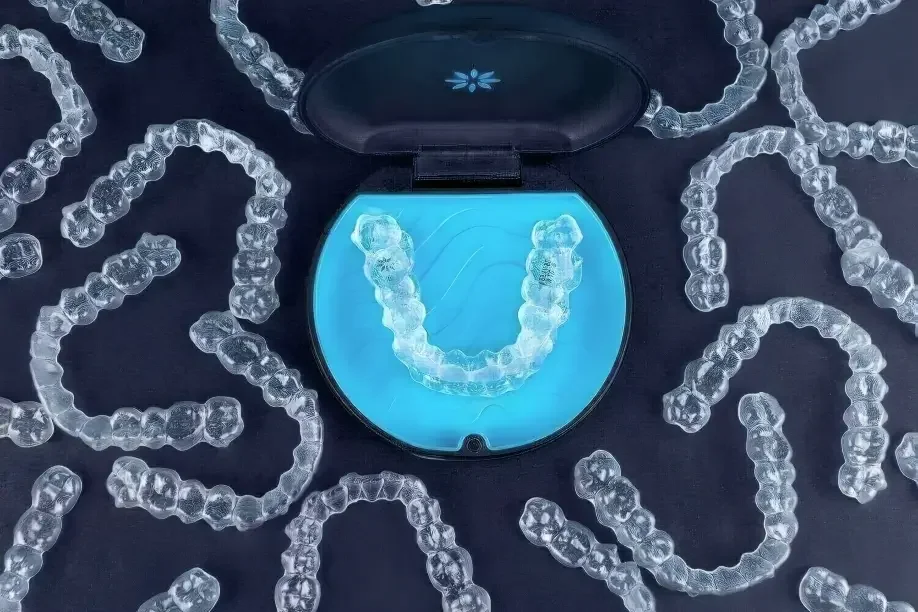
What are Clear Aligners?
Clear Aligners help straighten teeth. They use a series of clear trays to gently move the teeth into the right position. Over time, Clear Aligners makes your smile look better and improve how your teeth bite together. You only need to visit the orthodontist every 2-3 months making starting treatment that much easier!
FAQs
-
Adult orthodontics is a specialized area that focuses on aligning teeth and jaws for individuals over the age of 18. Unlike children or teens, adults have fully developed jawbones, which may make certain corrections more complex. Additionally, adults often have existing dental conditions that must be managed before or during orthodontic care. Treatment for adults frequently emphasizes discreet options like clear aligners to address aesthetic preferences. A tailored approach is necessary to address both functional and cosmetic concerns while maintaining oral health.
-
Adult braces are orthodontic treatments designed for individuals seeking to improve dental alignment later in life. These treatments can include metal braces, ceramic braces, and clear aligners. They are used to correct issues such as crooked teeth, gaps, bite misalignments, and jaw disorders. With modern materials and technology, adult braces offer improved comfort and subtle appearance, aligning with adult lifestyles and professional needs.
-
Adults seek braces for various reasons—correcting alignment issues not addressed earlier in life, maintaining results from past treatments, alleviating jaw pain, or improving oral health. Orthodontic treatment can also help prevent issues like tooth decay or gum disease by promoting better dental hygiene through improved alignment.
-
Adult braces are designed with aesthetics and comfort in mind. Options like smaller brackets, clear ceramic braces, or invisible aligners offer discretion. Treatment plans for adults account for matured jaw structures and often include solutions tailored to more complex or long-standing issues, enabling effective, customized care.
-
Popular adult options include traditional metal braces, ceramic braces, and clear aligners (e.g., Invisalign). Traditional braces are versatile and effective, ceramic braces offer a less noticeable alternative, and clear aligners provide an almost invisible, removable solution. A consultation with an orthodontist will help determine the best fit based on individual needs.
-
Absolutely. Braces can benefit adults just as much as children. They help correct bite problems, prevent dental complications, and enhance self-confidence. With less visible and more comfortable options now available, more adults are choosing to improve their smiles.
-
Treatment can take slightly longer for adults due to fully developed bones, but it depends on the complexity of the case and patient compliance. Adults may also see fast results with consistent care and advanced treatment methods.
-
Some initial discomfort is normal, especially after adjustments, but it’s usually mild and temporary. Pain management options and proper care can keep symptoms under control.
-
Free adult braces are rare, but insurance plans, financing, and assistance programs can make treatment more affordable. Eligibility for discounted care varies, so it's important to explore available resources.
-
Look into insurance, payment plans, HSAs or FSAs, and financing programs to spread out the cost. Comparing options in Los Angeles can help you find a provider that fits your budget and needs.
-
Yes, many adults find that braces significantly enhance both their oral health and self-esteem. The investment often leads to long-lasting functional and cosmetic benefits.
-
Confidence starts with perspective—braces are temporary, and the payoff is a great smile. Staying positive, maintaining good hygiene, and focusing on results can help. Support from your orthodontic team and others who've had braces can also boost confidence.
-
Braces don’t need to interfere with your dating life. Many partners appreciate the commitment to self-care. A confident attitude and good oral hygiene can make braces a non-issue.
-
More men are choosing adult braces. With options like clear aligners and low-profile brackets, treatment is more discreet than ever. Prioritizing health and appearance is attractive and empowering.
-
Yes, braces work effectively at any age. Adults in their 40s and beyond can achieve great results, especially with advancements in orthodontic technology.
-
Orthodontic treatment can correct crowding, spacing, bite issues, and more for adults. Beyond aesthetics, it promotes healthier teeth and gums.
-
Benefits include better oral hygiene, improved self-confidence, and reduced risk of dental complications. Treatment can also address functional problems like jaw discomfort or chewing difficulties.
-
Practice good hygiene, follow dietary guidelines, attend appointments, and use comfort aids like orthodontic wax. Staying consistent with care helps you get the best results.
-
Yes, adult braces can correct both. With customized treatment plans, bite issues like overbites or underbites can be resolved, improving function and appearance.
-
Definitely. They improve alignment, boost confidence, and enhance oral health. Modern options make the process easier and more appealing for adults.
-
Adults are more health-conscious, and aesthetic concerns are rising. Discreet, effective treatments like Invisalign have made orthodontics more accessible and desirable.
-
Yes, they’re still a reliable and affordable option. Improved designs have made them more comfortable and aesthetically acceptable, even among professionals.
-
Yes—clear aligners and lingual braces are discreet options. They allow adults to straighten teeth without the visibility of traditional braces.
-
From improved appearance to long-term health benefits, adult orthodontics offers more than cosmetic improvement. Discreet options and modern care make it an appealing choice.
-
No. Age isn’t a barrier. Many adults benefit from orthodontic treatment, regardless of when they begin. It's never too late to improve your smile.
-
Explore traditional metal braces, ceramic braces, and clear aligners. Each has pros and cons, and a consultation helps identify what works best for you.
-
Schedule a consultation, complete any necessary dental work, and begin treatment as recommended. Stick to your plan and follow instructions for optimal results.
-
Look for experience with adult patients, modern treatment options, good communication, and flexible payment plans. A skilled orthodontist can make all the difference.
-
Not always. Modern techniques often avoid extractions or surgery. A thorough consultation will clarify what's necessary for your unique case.
-
Yes, treatment plans can vary based on a provider’s philosophy and approach. Getting multiple opinions can help you make an informed decision.
-
It can be, but payment plans, insurance, and long-term benefits make it worthwhile. Straight teeth can prevent more costly issues down the road.
-
Use insurance, payment plans, savings accounts, or financing to make treatment more affordable. Many providers in Los Angeles offer flexible options.
-
Orthodontists are specialists in tooth alignment and bite correction. For the best results, especially in complex cases, seeing an orthodontist is highly recommended.
-
Beyond aesthetics, orthodontics can enhance health, self-esteem, and quality of life. Straighter teeth are easier to maintain and more functional.
-
Brackets and wires are removed, teeth are cleaned, and retainers are fitted. Ongoing retention is key to maintaining your new smile.
-
Treatment typically ranges from 18 months to 3 years. Your specific case will determine the duration.
-
Some adults may experience more sensitivity. Discomfort usually occurs early on and after adjustments, but it’s manageable.
-
Yes, adults of all ages achieve excellent results with braces. The health, functional, and aesthetic benefits make treatment worthwhile.
-
Adults may face longer treatment times and initial discomfort, but modern tools and care options help overcome these challenges.
-
The first week after getting braces or after adjustments is typically the most uncomfortable. The body adapts quickly with proper care.
-
Pain is typically mild and temporary. Over-the-counter pain relief and orthodontic wax help ease discomfort as you adjust.
With expert guidance and commitment, adult braces can deliver transformative results at any age.
-
Absolutely! Adult orthodontics is growing rapidly in Los Angeles. Whether it’s clear aligners or ceramic braces, Dr. Nourian customizes treatment plans to fit professional and lifestyle needs.
-
You may feel mild pressure or soreness for a few days after adjustments. This is normal and shows your teeth are moving as planned.
3 Ways to Schedule your Free Consultation
and start Braces for as low as $87/Month or Invisalign for $127/Month!
Schedule Online
With our online scheduling tool you can book your appointment right now on our website. We'll follow up after you've scheduled to confirm.
Request a Call-back
Complete the form to the right and a scheduling coordinator will call you as soon as possible to schedule your appointment.
Call/Text: (818) 510-3440
If you'd like to contact the office directly call/text us anytime. If you call outside of working hours leave a message and we will return your call.