
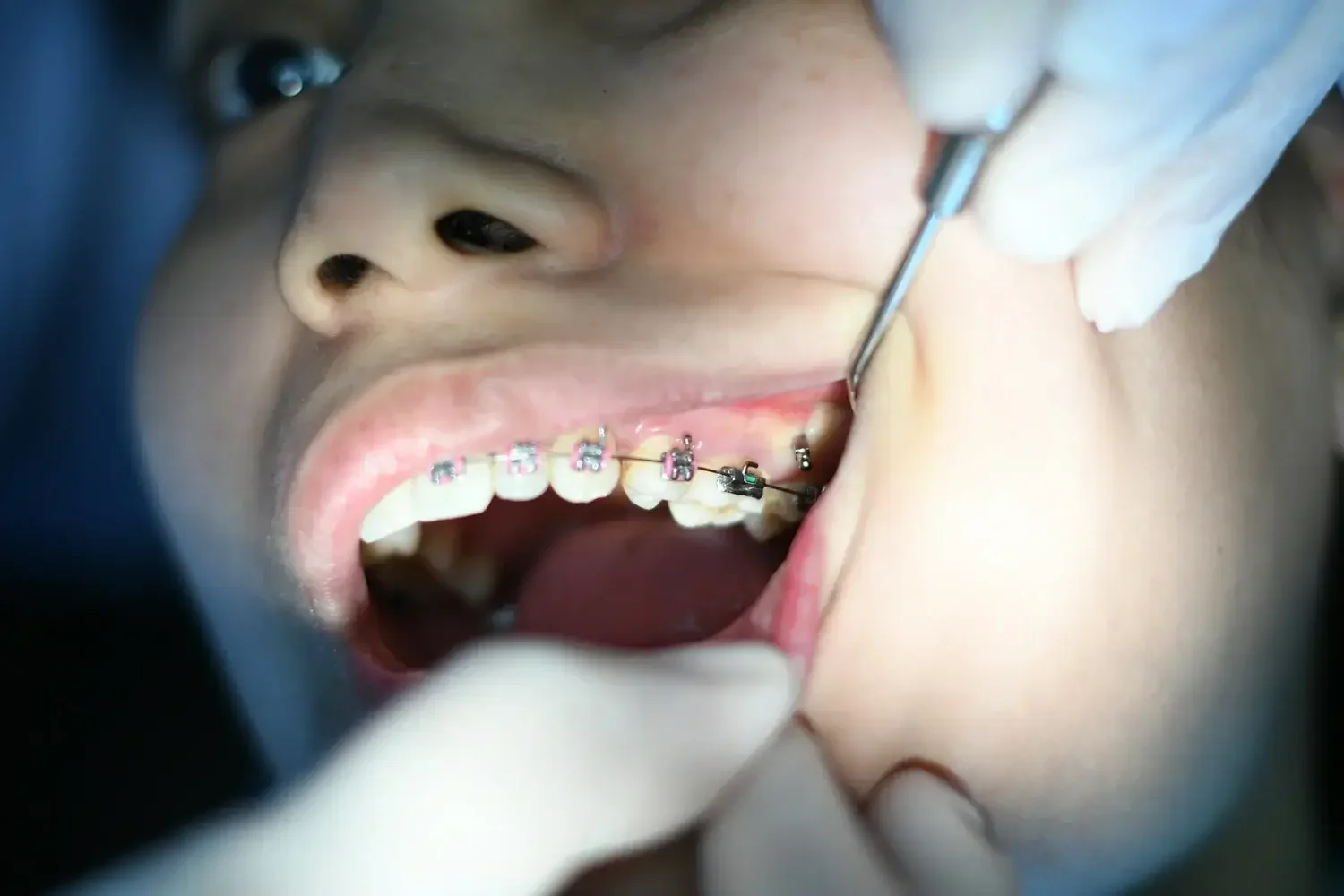
If you are thinking about getting braces or clear aligners, a little preparation can make the whole experience smoother, more comfortable, and more affordable.
From the Textbook Orthodontics perspective, orthodontic care is not just about straighter teeth. Under the guidance of Dr. Nathan Nourian, a residency-trained orthodontist born and raised in Los Angeles, the focus is on healthy bite correction, confident smiles, and a clear plan that fits real life for kids, teens, and adults.
This guide walks you step by step from your first online search to day one with braces or clear aligners so you know what to expect and what to do ahead of time.
Textbook Orthodontics provides orthodontic care for children, teenagers, and adults across Los Angeles, including the San Fernando Valley, Whittier, and surrounding communities, with locations convenient to areas like Sherman Oaks.
Key orthodontic terms you will hear
Orthodontics
Specialized branch of dentistry that focuses on diagnosing, preventing, and treating problems with tooth position and jaw alignment. Orthodontists complete additional years of training beyond dental school to manage bite issues, crowding, spacing, and jaw-related concerns.
Bite correction
Any orthodontic treatment designed to improve how your upper and lower teeth fit together. Common bite issues include overbite, underbite, open bite, and crossbite. Good bite correction can improve chewing, reduce tooth wear, and help protect the jaw joints.
Retainers
Custom appliances worn after active orthodontic treatment to hold teeth in their new positions while bone and gums stabilize. Retainers can be removable (clear trays or Hawley retainers) or fixed (a thin wire bonded behind the teeth). Wearing them as instructed is essential to keep your results.
What to know before starting orthodontic treatment
Before you book a consultation, it helps to understand your main options and who should be guiding your treatment.
Braces, clear braces, and clear aligners in plain language
Metal braces: Small metal brackets bonded to the teeth with a flexible wire. These are strong, efficient, and work well for most bite problems.
Clear braces: Tooth-colored ceramic brackets that blend into your smile more than metal. They work similarly to metal braces but look more discreet, especially in photos.
Clear aligners: A series of custom, removable clear trays that move your teeth step by step. They are nearly invisible and are removed for eating and brushing. They work very well for many alignment issues and, in many cases, for bite correction, but not every case is a good candidate.
Why an orthodontist is different from a general dentist
A general dentist focuses on overall oral health: cleanings, fillings, crowns, gum health, and more. An orthodontist focuses on the way your teeth and jaws line up.
Orthodontists like Dr. Nathan Nourian complete additional specialty training after dental school that is fully dedicated to orthodontic diagnosis and treatment planning. That extra training is especially important for:
Growing children whose jaws and bite are still developing
Teens with crowding, spacing, or bite problems
Adults who may need complex tooth movement or coordination with other dental work
At Textbook Orthodontics, you see the same orthodontist at each visit. This continuity helps keep treatment efficient and tailored to your progress.
Who orthodontic treatment is for
Textbook Orthodontics treats:
Kids who are ready for early orthodontic guidance
Teens who want braces or clear aligners (when appropriate)
Adults who are finally ready to fix crowding, spacing, or bite issues
The steps below apply to all ages, with a few special notes for teens and adults along the way.
Step 1: Schedule and prepare for your orthodontic consultation
Your orthodontic journey officially starts with a consultation. At Textbook Orthodontics, this visit is free and includes digital x rays and photos.
How to choose an orthodontist in 2026
When you search online, use terms like:
“orthodontist near me”
“braces near Sherman Oaks”
“clear aligners San Fernando Valley”
As you compare offices, consider:
Are you seeing a residency-trained orthodontist, not just a general dentist offering braces on the side?
Do you see information about 3D scanning, modern diagnostic tools, and clear aligner options?
Does the practice welcome kids, teens, and adults?
Do they clearly explain costs, insurance, and financing on their website?
The Textbook Orthodontics website at https://textbookorthodontics.com provides detailed information about services, locations, and payment options, which can help you feel prepared before you visit.
Questions to ask during an orthodontic consultation
Bring this list with you so you do not forget anything:
What are my main orthodontic problems, and how do they affect my bite and smile?
Am I a good candidate for metal braces, clear braces, or clear aligners? Why or why not?
How long is my estimated treatment time?
Will I need extractions, IPR (slenderizing or reshaping between teeth), or jaw surgery?
How often will I need to come in for adjustments or aligner checks?
Who will I see at each visit?
What is included in the treatment fee (x rays, emergency visits, retainers)?
How do insurance and payment plans work here?
At Textbook Orthodontics, you can also ask to see example cases similar to yours so you can picture your potential results.
Checklist: What to bring and do before your first orthodontic consultation
Recent dental checkup date and your dentist’s name
Any recent dental x rays (if you have copies)
A list of medications and health conditions
Dental insurance card and photo ID
List of questions and concerns about your teeth or bite
Photos of your smile that you like and do not like (optional but helpful)
For teens: Parent or guardian to review treatment and payment options
You can request your free consultation with Textbook Orthodontics at textbookorthodontics.com/consultation.
Step 2: Get your smile and bite evaluated the 2026 way
Modern orthodontic diagnostics are much more comfortable and detailed than the old days of messy impressions and guesswork.
What may happen at the exam
Photos
The team will take photos of your teeth and smile from several angles. These help document your starting point and guide treatment planning.
X rays
Digital x rays give a clear view of your tooth roots, jawbones, and developing teeth. They help your orthodontist see impacted teeth, missing teeth, and jaw relationships.
3D scanning
Many patients are scanned with a handheld 3D scanner that creates a digital model of your teeth. This replaces traditional impression material in many cases, which is more comfortable and easier to update.
Bite analysis
Dr. Nourian will examine how your upper and lower teeth meet, how your jaw moves, and whether there are signs of wear or stress. This is where bite correction planning begins.
What to expect from Dr. Nourian’s findings
After reviewing your records, Dr. Nourian will explain in simple terms:
What is going on with your teeth and bite
What will happen if you do nothing
Which treatment options are suitable for you
Which option he recommends and why
Matching your options to your goals
Together you will discuss:
Whether your priority is speed, appearance, flexibility, or cost
How important it is for you to remove trays for eating (aligners) versus having something fixed in place (braces)
Your lifestyle, sports, or musical instruments
For adults, any upcoming dental work that needs to be coordinated
From there, you will narrow down to braces, clear braces, or clear aligners as your main path.
Step 3: Choose between braces, clear braces, and clear aligners
A simple way to compare your main options is to look at pros and considerations side by side.
Comparison table: Braces vs clear braces vs clear aligners
Treatment typeMain prosKey considerationsMetal bracesStrong and efficient for most bite problems; Often the most budget-friendly; No need to remember to wear themVisible on teeth; Food restrictions like sticky or very hard foods; Extra care needed for brushing and flossingClear bracesMore discreet than metal; Similar power and versatility to metal bracesStill visible up close; Brackets may be slightly larger; Slightly more prone to chipping if not cared forClear alignersNearly invisible; Removable for eating and brushing; Easier to brush and floss thoroughlyMust be worn 20 to 22 hours per day to work; Not ideal for every bite problem; Trays can be lost or damaged if not stored carefully
Adult braces and teen orthodontics considerations
Adults: Adults can do very well with metal braces, clear braces, or clear aligners. Adults often choose clear braces or aligners for a more discreet appearance, especially for work. Treatment time can be similar to teens, but adults may need a little extra time if there are gum or bone concerns.
Teens: Braces are a great choice for teens who might forget to wear aligners. For responsible teens who really want clear aligners and whose bite is appropriate for aligner treatment, aligners can be a good, low-visibility option. Textbook Orthodontics treats many teens with both approaches.
What clear aligners can and cannot fix
Clear aligners can usually handle:
Mild to moderate crowding and spacing
Some overbites and underbites
Rotated or slightly tipped teeth
Clear aligners may be limited for:
Very severe bite problems
Certain large jaw discrepancies that require surgery
Cases where patient compliance is uncertain
Your orthodontist will be clear about whether aligners are appropriate for your specific case, or whether braces would correct your bite more predictably.
Learn more about treatment options at:
Step 4: Plan your budget, insurance, and payment options
Affording treatment is a major part of preparation. At Textbook Orthodontics, the team works to make care accessible with:
Acceptance of Medi-Cal and most PPO insurance plans
0 percent interest monthly payments
Monthly plans with no credit check
Insurance basics for orthodontics
Many PPO dental plans include some orthodontic coverage, often as a lifetime maximum. Medi-Cal in California may cover orthodontic treatment for children when it is medically necessary. You can learn more about Medi-Cal dental benefits at the California Department of Health Care Services site: https://www.dhcs.ca.gov/services/Pages/Dental.aspx
Checklist: Insurance and payment preparation
Before or at your consultation, try to gather:
Dental insurance card and subscriber information
Confirmation if your plan has orthodontic coverage (adult, child, or both)
Any prior orthodontic treatment history (braces or aligners you had before)
A rough budget range you are comfortable with each month
Questions about down payments, monthly payment length, and what happens if treatment runs longer than expected
At Textbook Orthodontics, the team can help:
Verify Medi-Cal or PPO benefits
Estimate what your plan is likely to pay
Design a 0 percent interest payment plan with no credit check that matches your budget
Many families near Sherman Oaks and throughout the San Fernando Valley discover that orthodontic treatment is more affordable than they expected once insurance and payment plans are explained in detail.
Step 5: Get ready for your braces or clear aligner start day
Once you have selected your treatment and set up your payment plan, it is time to prepare for the day your braces or aligners begin.
Before the appointment
Dental cleaning: Schedule a professional cleaning with your general dentist if you have not had one recently. Healthy gums and clean teeth help treatment go more smoothly. The American Dental Association recommends regular cleanings to support oral health: https://www.mouthhealthy.org.
Take care of cavities or gum issues: Follow your dentist’s advice so your mouth is healthy before orthodontic appliances go on.
Wisdom teeth: If your dentist or orthodontist has concerns about wisdom teeth, they will discuss whether removal is needed before, during, or after treatment.
Take “before” photos: Snap some smile and profile photos at home. These are fun to compare with your finished smile later.
Home care tools to set up
Textbook Orthodontics curates Amazon product suggestions for home care tools that many patients find helpful, such as:
Soft-bristle toothbrushes
Fluoride toothpaste and mouthrinse
Orthodontic floss threaders or floss picks
Water flosser (Waterpik-type device)
Interdental brushes to clean around brackets
Orthodontic wax for braces
Your care team can point you toward their current recommendations and show you how to use each tool effectively.
Comfort checklist for the first week
Orthodontic wax to cover any rough spots
Over-the-counter pain reliever that is safe for you or your child, if your physician allows it
Soft foods: yogurt, mashed potatoes, smoothies, scrambled eggs, pasta
A small mirror to check your braces or aligners at home
Lip balm, especially if your lips get dry during appointments
A travel toothbrush and small case for school, work, or outings
What to expect during the first week
Mild soreness or pressure as teeth begin to move, usually for a few days
Braces: Lips and cheeks may need a little time to get used to the brackets. Wax and saltwater rinses can help.
Aligners: A feeling of tightness when you switch to a new tray, especially on day one or two of each new aligner.
Eating: Stick to soft foods at first, then slowly return to a normal orthodontic-friendly diet.
The Textbook Orthodontics team will show you exactly how to care for your braces or aligners and will send you home with detailed instructions and support.
To schedule your free orthodontic consultation with x rays and photos, visit textbookorthodontics.com/consultation.
Step-by-step summary: Your orthodontic preparation journey
Learn the basics
Understand what orthodontics is, who an orthodontist is, and your main options: metal braces, clear braces, and clear aligners.
Choose your orthodontist and book a consultation
Use searches like “orthodontist near me” or “braces near Sherman Oaks,” then schedule a free consultation at a practice like Textbook Orthodontics that clearly explains services and financing.
Prepare for the first visit
Gather dental records, insurance information, and your questions. Bring a parent or guardian for teens.
Complete diagnostics and bite evaluation
At the office, expect photos, x rays, 3D scans, and a bite analysis with Dr. Nourian.
Review findings and treatment options
Discuss what is going on with your teeth and bite, and compare braces, clear braces, and clear aligners for your situation.
Plan your budget and payment
Work with the office to review Medi-Cal or PPO coverage, then set up a 0 percent interest payment plan if needed.
Prepare your mouth and home care tools
Get a dental cleaning, address any cavities, and set up your toothbrush, floss tools, and other supplies at home.
Start treatment and adjust during week one
Arrive for your start day knowing what to expect, what to eat, how to manage soreness, and how to call the office with questions.
FAQ: Preparing for orthodontic treatment in 2026
What should I do before getting braces or Invisalign (cleaning, cavities, wisdom teeth, gum health)?
Before starting braces or clear aligners, you should have a recent dental exam and cleaning, treat any cavities or gum disease your dentist finds, discuss wisdom teeth with your dentist or orthodontist if they are present, and share your full medical history and medication list with your orthodontist. Healthy teeth and gums allow orthodontic treatment to be more comfortable and predictable.
How do I choose a trustworthy orthodontist, and what questions should I ask at the consultation?
Look for a residency-trained orthodontist (not just “braces offered” at a general dental office), clear explanations of services, technology, and payment options on the website, and an in-person consultation where the doctor examines you and explains your diagnosis. During the consultation, ask what your main bite and alignment issues are, what options you have (and which are recommended), how long treatment will take, what the total costs are (and what is included), and who you will see at each visit. Textbook Orthodontics offers free consultations with x rays and photos so you can get these answers without financial pressure.
How much does orthodontic treatment cost in 2026, and what payment plans or insurance options are worth checking?
Costs vary based on case complexity, treatment type, and length of treatment. To prepare, check whether your Medi-Cal or PPO plan includes orthodontic coverage, ask about lifetime orthodontic maximums on PPO plans, confirm whether the office offers 0 percent interest monthly payments, and ask whether financing requires a credit check. Textbook Orthodontics accepts Medi-Cal and most PPO plans and offers 0 percent interest monthly payments with no credit check.
Do I need extractions, IPR, or jaw surgery, and how can I tell if a treatment plan is too aggressive?
Extractions, IPR (slenderizing between teeth), and jaw surgery are tools orthodontists use in some cases to create space or correct jaw relationships. A thoughtful plan should explain clearly why each procedure is or is not recommended, show how your facial profile and bite will be affected, and offer alternatives when possible along with pros and cons. If a recommended plan feels too aggressive, ask whether non-extraction or non-surgical options exist and what the trade-offs are, and request examples of similar cases. Seeking a second opinion from another orthodontist is also reasonable.
How painful are braces or Invisalign at the start, and what helps with soreness and eating during the first week?
Most people feel mild to moderate soreness or pressure for a few days after braces go on or after switching to a new aligner, plus some cheek and lip irritation at first with braces. Soft foods, orthodontic wax over rough spots, saltwater rinses, and over-the-counter pain relievers (as recommended by your physician) can help. The discomfort usually improves quickly as your mouth adjusts.
What supplies and routines do I need to prepare for daily hygiene (flossing, Waterpik, interdental brushes) and avoiding stains/decay?
For braces, plan on a soft toothbrush, fluoride toothpaste (and possibly a fluoride rinse), floss threaders or orthodontic floss picks, interdental brushes to clean around brackets, and a water flosser to help remove food and plaque. For clear aligners, plan on brushing and flossing after every meal before putting aligners back in, plus cleaning trays with a soft toothbrush and mild soap. Avoid constant sipping of sugary drinks and brush thoroughly around brackets or before reinserting aligners to reduce the risk of stains and decay.
Who offers insured orthodontic treatment near Sherman Oaks?
Textbook Orthodontics provides orthodontic care at locations serving the San Fernando Valley, Whittier, and surrounding Los Angeles communities, with convenient access for patients near Sherman Oaks. The practice accepts Medi-Cal and most PPO insurance plans and can help you understand your benefits and design a payment plan that fits your budget. To find out how your specific insurance would work and what your treatment options look like, schedule a free consultation with x rays and photos at textbookorthodontics.com/consultation.